Should You Buy Wrecked Cars for Sale? What You Need to Know
- salvagereseller64
- Nov 11, 2024
- 5 min read


For those trying to save money or love the process of fixing cars, purchasing a wrecked automobile might be an appealing possibility. Purchasing damaged automobiles gives both budget-conscious consumers and car aficionados several alternatives from basic repairs to more extensive rebuilds. But this choice calls for a firm awareness of what is required, from determining the state of the automobile to estimating repair expenses. This advice will assist you in determining if you would be suited for buying a wrecked automobile from salvage car auction.
1. Understanding Salvage Titles and What They Mean
An insurance company may assign a "salvage title" to a car judged too expensive for repair. This classification denotes that the automobile suffered major damage in a flood, accident, or other incident. It does not inevitably indicate, though, that the automobile is beyond repair. The general public can access salvage cars by means of salvage auto auctions, therefore enabling their availability. It's important to know the ramifications when purchasing a car with a salvage title: insurance coverage might be restricted and the resale value could be less. A salvage title might also indicate significant damage to the vehicle, therefore determining if the repairs are reasonable given your budget and degree of expertise is crucial.
2. Benefits of Buying a Wrecked Car
Purchasing a wrecked automobile appeals mostly for the cost reductions. Usually, vehicles sold at a salvage auto auction are far less expensive than those not destroyed. Fixing up a wrecked automobile can have major financial advantages for anyone with mechanical knowledge or access to reasonably priced repair facilities. Purchasing a salvage automobile lets some people fulfill their passion for customizing or repairing cars at a lower starting cost. These cars may also be utilized for parts, which would make sense for someone wishing to fix another such vehicle or for a company wanting replacement components.
3. Risks Involved with Buying Salvage Vehicles
Although salvage automobiles may be quite valuable, they carry some risk. Damage may be more widespread than first seems, and some destroyed vehicles have hidden problems only discovered once repairs start. For example, frame damage could threaten the structural integrity of the car, rendering driving dangerous even following repairs. Furthermore, certain vehicles might have complex and expensive repair electrical or engine issues. If you have never done auto repairs, think about seeing a technician to assess the state of the vehicle before you buy. This phase will enable you to see possible red flags and evaluate the actual expenses of bringing the automobile roadworthy.
4. Factors to Consider When Buying Wrecked Cars
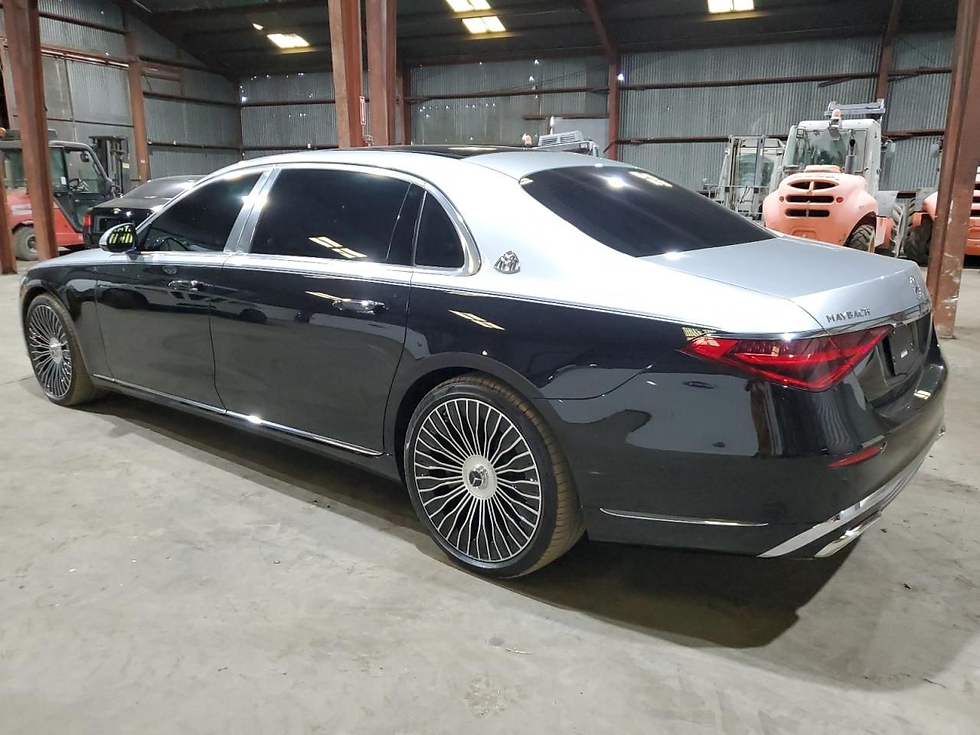
Before purchasing a wrecked automobile, you should consider numerous elements like repair expenses, availability of replacement components, and intended use of the car. Accurate total repair cost computation is absolutely vital as unanticipated costs can mount rapidly. Additionally avoiding delays and extra costs is possible by verifying the availability of components for the model and manufacture. Consider lastly your intended usage for the automobile. Should it be a second automobile or a project car, certain flaws may be reasonable. If you want to use it as your main form of mobility, nevertheless, ask whether it will satisfy safety and dependability criteria following repairs.
5. Salvage Car Auction: Where and How to Find Wrecked Cars
One of the most often used locations for buying destroyed cars are salvage auto auctions. Although auctions can take place in person, many increasingly allow online bidding, therefore increasing access to vehicles from all throughout the nation. Certain jurisdictions need a dealer's license to bid, hence you might have to register and, occasionally, interact with a broker to take part in a salvage auto auction. By seeing the situations and histories of the vehicles, these auctions let purchasers get understanding of the necessary repairs. Familiarize yourself with the auction procedure and choose a limited budget to prevent overpaying before you join.
6. How to Inspect a Wrecked Car Before Purchase
If you are thinking about purchasing a wrecked automobile, you really need to do a careful check. To gauge the degree of the damage and project repair expenses, check the frame, engine, and electrical system. Examining the frame is absolutely vital as a twisted or bent frame might point to significant repair needs compromising safety. The engine should also be examined for obvious damage and consider hidden problems such fluid leakage. Examining the accident history and maintenance records of the automobile may also help one find whether it has past problems, thereby facilitating the decision on whether or not the investment is justified.
7. Financing and Insuring a Salvage Car
Financing a wrecked automobile might be difficult as some lenders are unwilling to grant loans for vehicles with salvage titles because of the assumed dangers. Research lenders specialized in salvage automobiles or think about paying in cash if you intend to finance the purchase. Furthermore complicated is insurance as some providers only cover vehicles with salvage titles, therefore affecting their coverage. While liability coverage could be offered, comprehensive or collision coverage could be restricted or nonexistent. Before you buy, make sure you get in touch with insurance companies to learn your choices and guarantee you are happy with the given coverage.
Conclusion: Is Buying a Wrecked Car Right for You?

For certain consumers—especially those with technical knowledge or expertise in auto repairs—buying a wrecked automobile might be a wise financial choice. Still, there are several drawbacks like possible hidden expenses, insurance-related issues, and few financing choices. A salvage automobile may be a great undertaking for those who appreciate the process of repairing a car or require a reasonably priced approach to get on the road. A wrecked automobile might not be the best option, though, if you're looking for a dependable, long-term car with low maintenance requirements.
Relevant Questions and Answers
1. Can I finance a car with a salvage title?
Financing an automobile with a salvaged cars might be difficult as many conventional banks refuse to grant loans for these vehicles. Still, certain specialized lenders could provide funding choices. Another option in case financing is not possible is paying with cash.
2. Will insurance cover a wrecked car after repairs?
State laws and the insurer determine insurance coverage for a previously damaged automobile. There could be liability insurance, but comprehensive and collision coverage could be rare. First of all, pre-checking with your insurance will assist you to better grasp your choices.
3. How do I determine the repair costs of a wrecked car?
Determining repair costs calls for a careful review of the engine, frame, and other vital systems of the automobile. Additionally helpful for spotting hidden problems and offering a better view of the overall repair expenses is mechanical consultation.
4. Are wrecked cars safe to drive after repairs?
If repairs are done well, a wrecked automobile can be safe—especially in cases with little structural or frame damage. Key procedures to guarantee roadworthiness include making sure repairs satisfy safety criteria and having an expert check the automobile.


Comments